Ficha Técnica e Análise
O Drone Theory (English Edition) é bom? Vale a pena?
Muitos usuários perguntam se o Drone Theory (English Edition) vale a pena. Baseado em nossa análise de histórico de preços e ficha técnica, este produto é uma opção popular na categoria Drones. Verifique os pontos positivos e negativos abaixo para tomar sua decisão.
Análise do produto Drone Theory (English Edition)
Drone Theory (English Edition) - A Deep Dive into the Philosophy of Modern Warfare
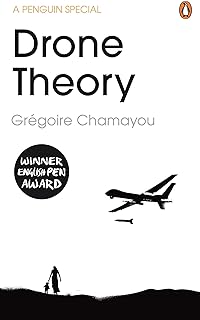
Drone Theory by Grégoire Chamayou is not just a book about drones; it's a profound philosophical and political examination of how unmanned aerial vehicles are reshaping the very nature of war, power, and human agency. This English edition brings Chamayou's incisive French analysis to a broader audience, offering a critical lens through which to understand the technological, ethical, and geopolitical shifts of the 21st century.
What Makes This Book Stand Out?
This is not a technical manual or a dry academic treatise. Chamayou masterfully blends philosophy, political theory, historical analysis, and contemporary case studies to create a compelling narrative that is both intellectually rigorous and accessible.
He draws from a rich tapestry of thinkers, from Carl Schmitt to Michel Foucault, to frame the drone not merely as a weapon, but as a symbol of a new form of governance and violence that is increasingly automated, remote, and seemingly detached from human consequences.
Key Themes Explored
- The Transformation of the Warrior: Chamayou examines how drone operators, sitting thousands of miles away from the battlefield, experience a fundamentally different relationship to violence and death.
- The Banality of Remote Killing: The book explores how the physical distance and technological interface can create a sense of detachment, potentially lowering the threshold for the use of lethal force.
- The Legal and Ethical Vacuum: Chamayou critically analyzes the legal frameworks (or lack thereof) governing drone warfare, particularly in relation to sovereignty, international law, and human rights.
- The Spectacle of War: The book discusses how drone footage, often presented as objective and clinical, shapes public perception and understanding of conflict.
- The Future of Security and Control: Chamayou extrapolates the implications of drone technology beyond the military, into areas of surveillance, policing, and social control.
Writing Style and Structure
Chamayou's prose is elegant and precise, making complex philosophical concepts digestible without sacrificing depth. The book is structured thematically, allowing readers to engage with specific aspects of drone theory without losing the overall coherence of the argument.
The use of historical examples, from early experiments with unmanned flight to contemporary drone strikes, grounds the theoretical analysis in concrete reality. Chamayou also incorporates literary and cinematic references, enriching the narrative and demonstrating the cultural impact of drone technology.
Why This Book Matters Now
In an era where drones are becoming increasingly ubiquitous, not just in military contexts but also in civilian life, Drone Theory offers a crucial framework for understanding the broader implications of this technology. It challenges readers to think critically about the ethical, legal, and political consequences of delegating life-and-death decisions to machines and remote operators.
The book is particularly relevant in light of ongoing conflicts where drones play a central role, and as nations continue to develop and deploy increasingly autonomous weapons systems.
Who Should Read This Book?
- Students and scholars of political theory, philosophy, international relations, and security studies
- Anyone interested in the ethical and legal implications of modern warfare
- Technology enthusiasts who want to understand the broader societal impact of drones
- General readers concerned about the future of war, surveillance, and human agency
Final Thoughts
Drone Theory (English Edition) is a must-read for anyone seeking to understand the profound changes that drone technology is bringing to the world. Chamayou's insightful analysis, combined with his accessible writing style, makes this book both intellectually stimulating and deeply relevant to contemporary debates about war, technology, and the future of humanity.
It's not an easy read in the sense that it challenges comfortable assumptions and forces readers to confront difficult questions. But it is an essential read for anyone who wants to engage thoughtfully with the complex realities of the 21st century.





Comentários (0)
Faça login para comentar
Você precisa estar logado para deixar um comentário sobre este produto.